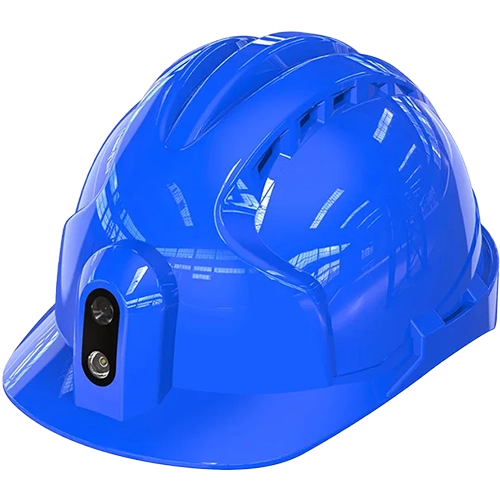
Smart Helmet For Leading Industries To Manage Their Workforce
A connected hard hat for high-risk work sites — built to track a worker’s position, surroundings, and physical status in real time and put an emergency signal one button away, so supervisors can act the moment risk shows up instead of hearing about it after the fact.


Trusted by Major Industries


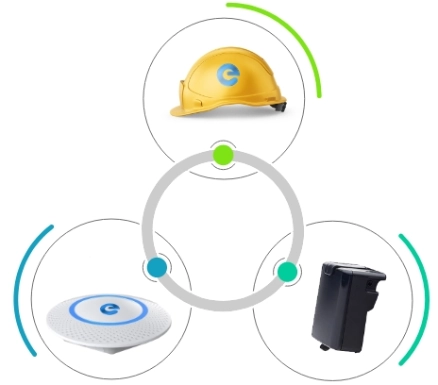
Abstract
Picture every hard hat on a site doubling as a live safety sensor — relaying a worker’s position, surroundings, and physical condition back to one screen instead of sitting disconnected from any monitoring or alert system. On-device AI processes that sensor and location data as it comes in, flagging risks and helping build toward predictive safety insights rather than just reporting after something’s already gone wrong. It turns scattered PPE into a connected safety layer, while giving operations teams a clearer read on staffing, tool usage, and day-to-day site performance along the way.


Smart Helmet for a Secure Work Environment
An IoT-based helmet with a full set of security features, built to raise the safety baseline of your work environment.

End-to-end Tracking
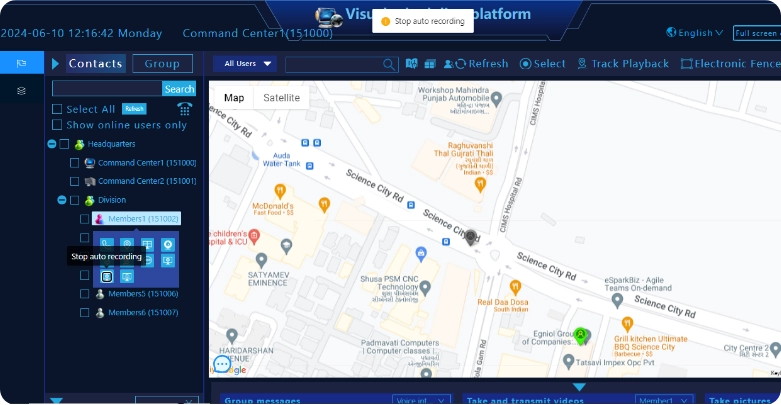
Real-time GPS tracking keeps every worker’s position visible on a live map, so supervisors always know where their team is without checking in individually. The same tracking layer works across multiple job sites from one console, so a safety manager overseeing more than one location isn’t switching between separate systems.

Navigational Efficiency
Built-in mapping guides workers and supervisors along the safest routes across a site. Virtual boundaries can also be set around hazardous or restricted zones, so crossing one triggers an alert to the worker and their supervisor.

Proximity Detector
A proximity sensor picks up nearby objects and machinery within roughly a 1.5–2 meter range, giving workers a buffer before contact-related accidents happen.

Impact & Fall Alerts
Motion-sensing picks up impacts to the helmet — contact with a beam or bar during work — and logs the event automatically. It also detects slips, trips, and falls on its own and triggers an immediate alert, rather than waiting for someone to report it.
Dedicated Panic Button
A one-touch panic button sends an immediate distress signal the moment a worker needs help, routing straight to the response team without anyone having to relay it manually.
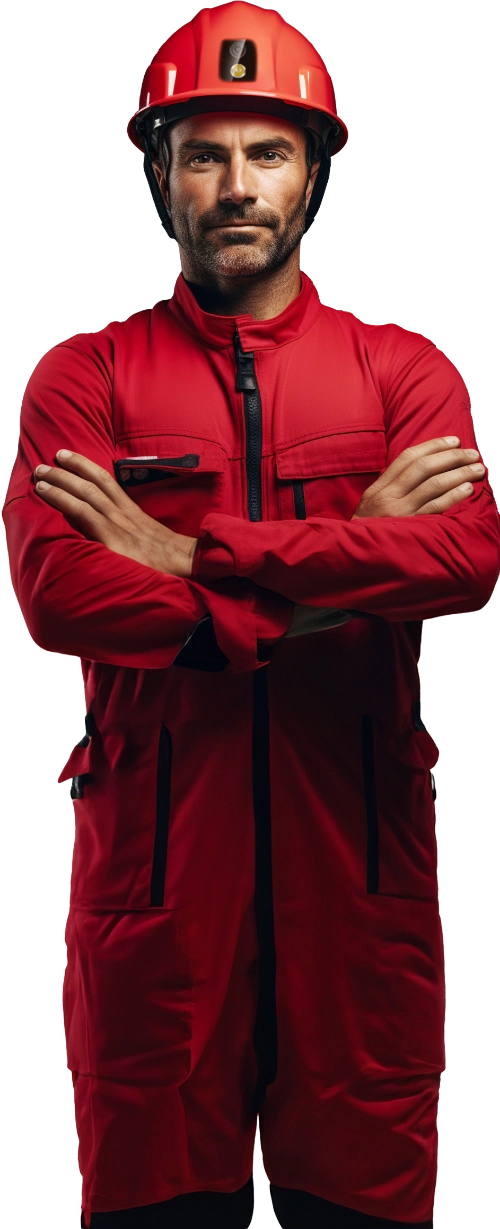

Smart AQI
Intelligent algorithms embedded with the smart helmet continuously track the air quality on the site.

Impact Alerts
Motion sensing technologies help track impacts caused by helmets hitting a wooden or iron bar during operation.

Humidity Tracking
Helps track the humidity levels in an environment, allowing on-site teams to adjust the conditions.
Dedicated Panic Button
A dedicated SOS button allows employees to ask for help in emergencies on site and alert others about any accidents.
Instant Communication
Dedicated features within the helmet allow employees to communicate with the on-site team in real time.
Smart Helmet Tech: Tested For Extensive Industrial Usage
Built for real-time communication and dependable safety response on-site, this IoT helmet goes through structured testing before it ships.
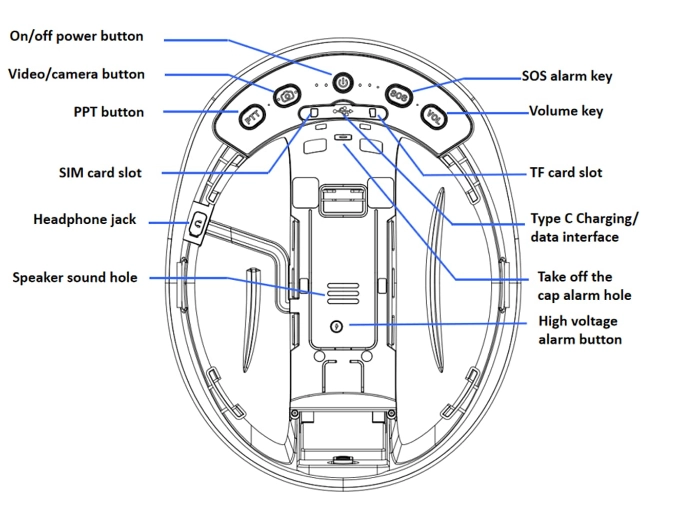
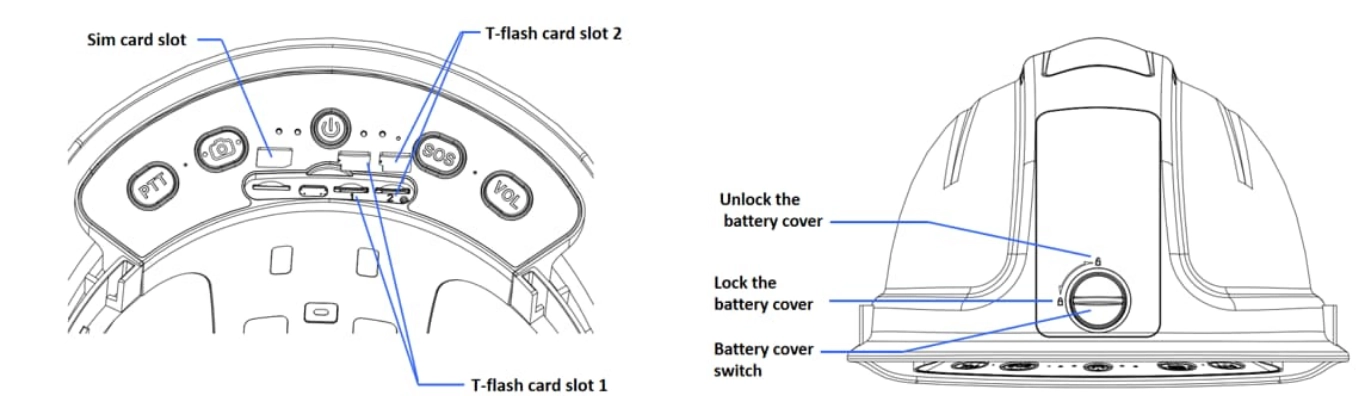
Looking for an Intelligent Helmet Technology With Customized Features?
We offer custom smart helmets for your employees, ensuring their security and safety. The best part about our smart helmet solutions is the advanced features. These helmets detect high voltage, temperature, high pressure, and hazardous environments.

Comprehensive Technology Stack for Next-Gen Software
Power your software with a stack built for innovation and intelligence. Our IT software development services use cutting-edge frameworks, cloud platforms, and AI-driven tools to craft solutions that adapt, scale, and deliver results from day one.
Supervisors can pull up a live camera feed from any active helmet, giving the control room a real-time, uninterrupted view of what’s happening on-site — particularly useful in confined spaces or high-risk zones.

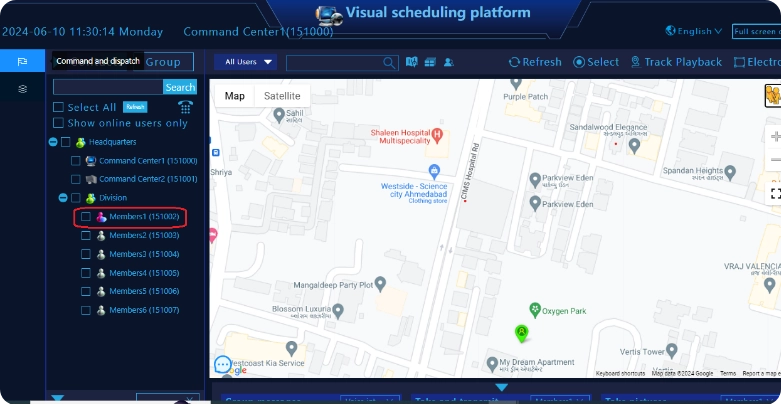
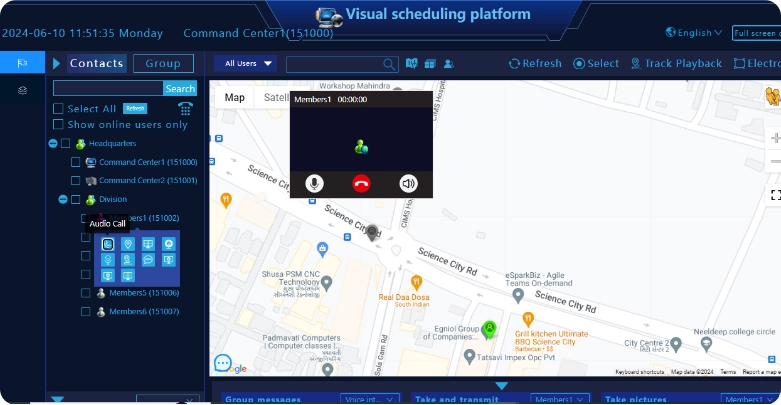
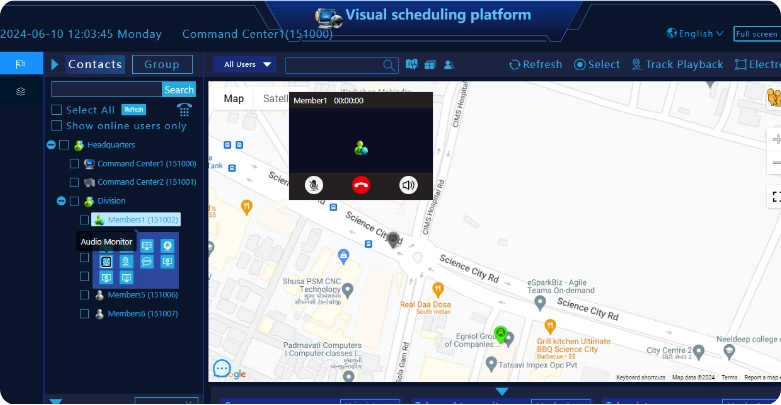
Every helmet currently in use reports its position to the admin panel continuously, giving operations staff one live map instead of checking in with each worker individually.
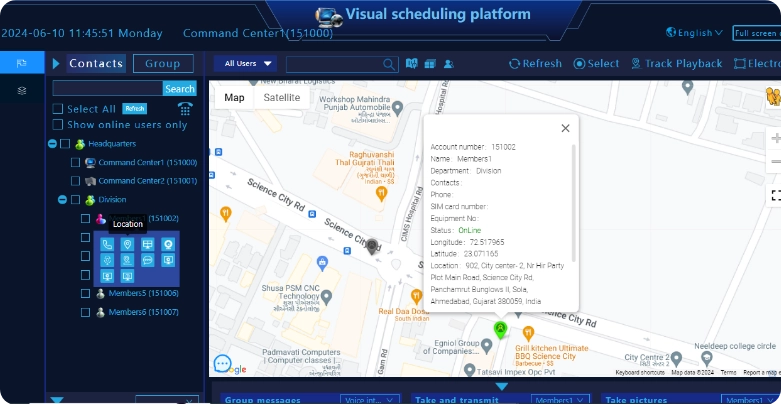
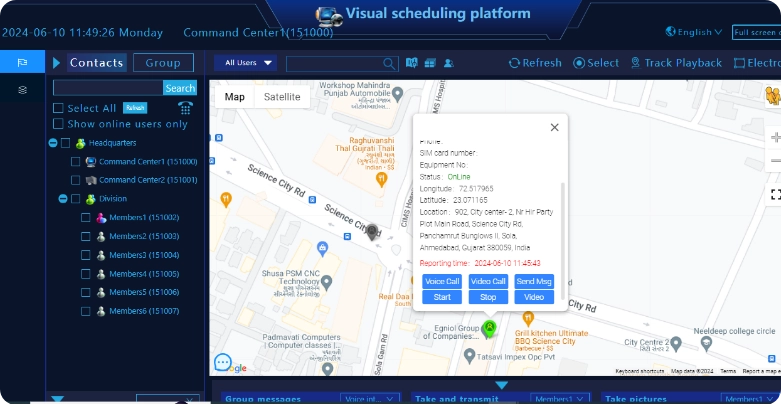
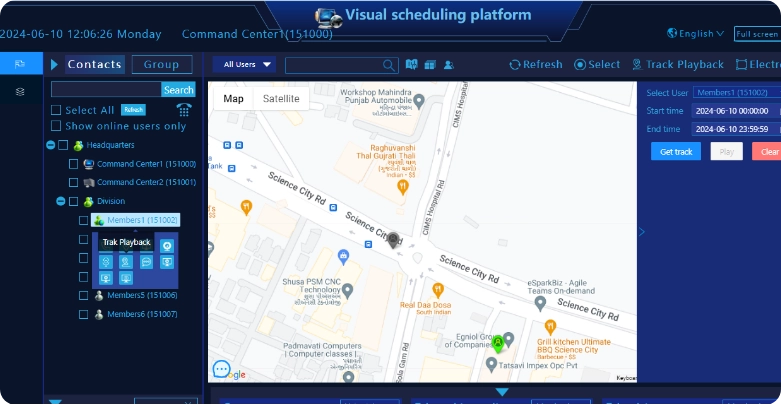
Incidents, alerts, and notable events get captured automatically as they happen, building a documented record teams can review afterward instead of relying on memory.
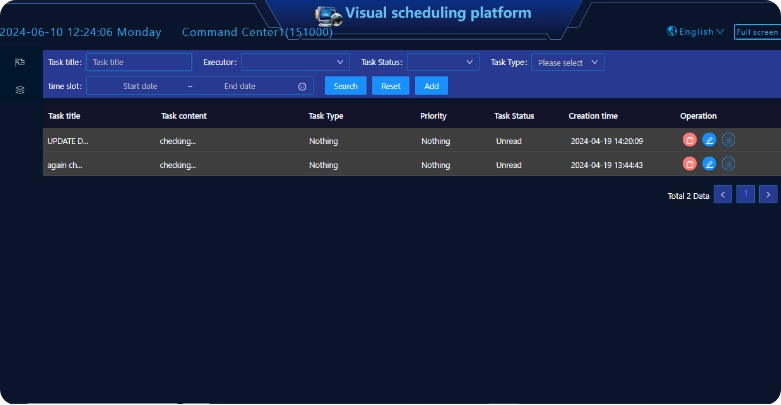
Supervisors assign work through the admin panel and can see how each task is progressing without needing a separate status update from the field.
A dedicated file system keeps site records, reports, and helmet data organized in one place instead of scattered across separate tools.
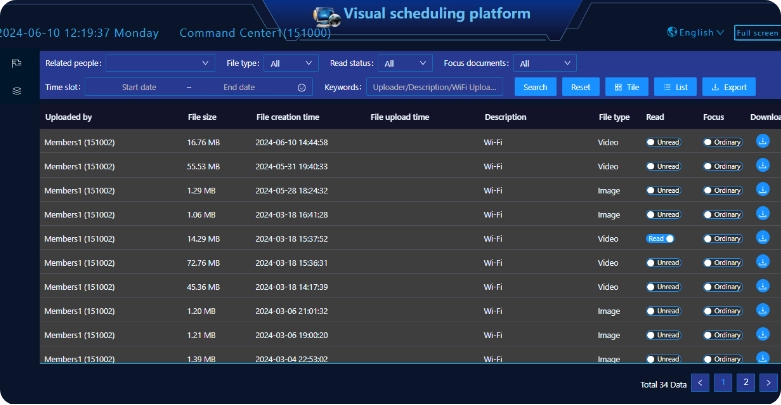
A centralized dashboard brings together each worker’s task history, the readings their helmet has captured, and any emergency alerts — giving admins one screen for monitoring, managing, and analyzing safety events, assigning helmets to workers, and provisioning new devices as your fleet grows. Alerts can reach admins through the dashboard, SMS, or an audible signal from the helmet itself.

Record all one-to-one video calls with your employees to analyze different scenarios and make better decisions.
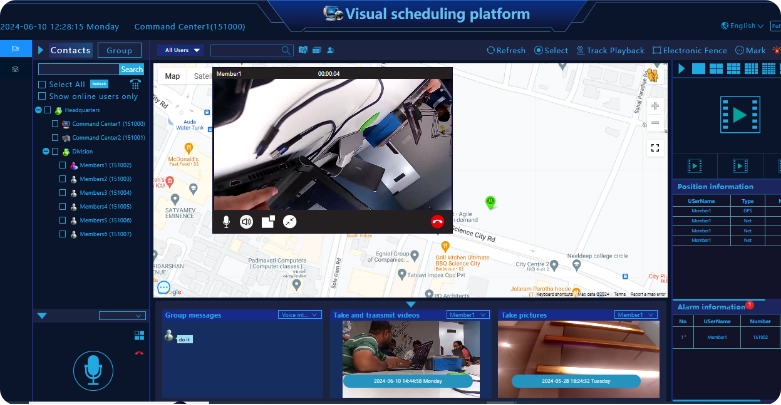
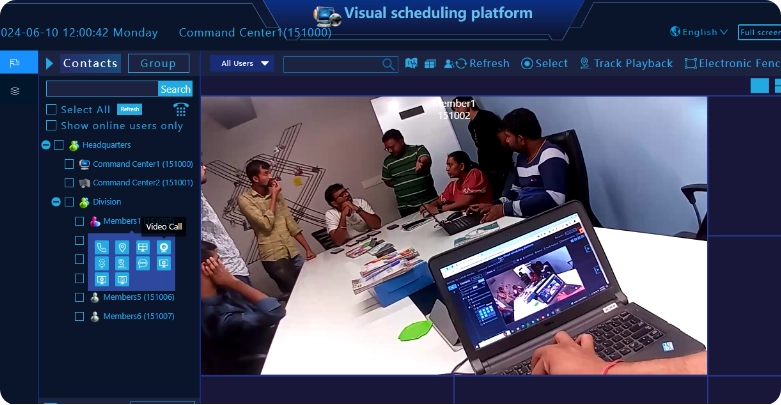
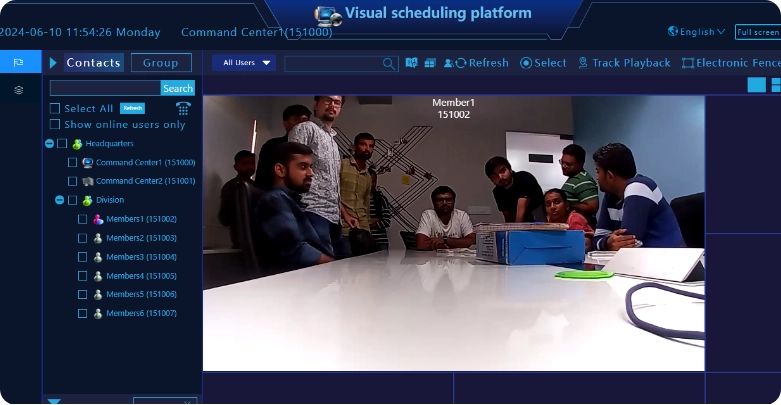
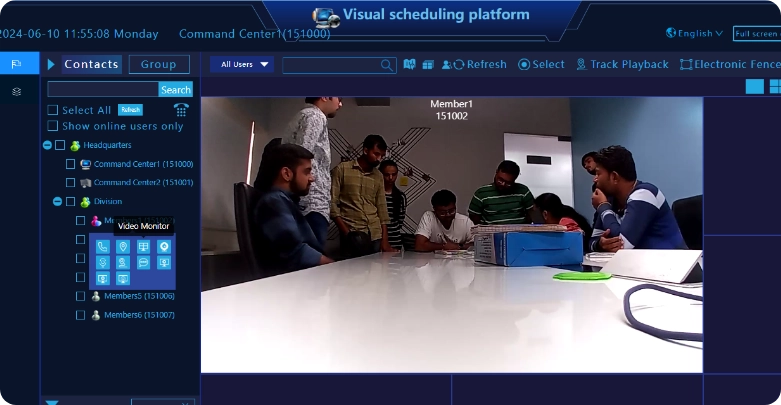
Smart helmet extensively records and saves each conversation to help understand issues and make strategic policy decisions.

What were the customer pain points?
Our search for creating a smart industrial helmet introduced us to several issues that the industry workers and managers faced on a daily basis. Here are the pain points that motivated us to build this smart helmet IoT product:
- Workforce location wasn’t tracked with any real accuracy, so supervisors had no reliable read on where people actually were on-site.
- Individual workers had no way to trigger an emergency signal on their own.
- Workforce efficiency data was rough at best, making shift and workload planning harder than it should be.
- Equipment usage went unrecorded, so no one could say who last had a given tool.
- There was no ongoing way to check a worker’s vitals during a shift.
- Lost equipment was difficult to trace back to whoever used it last.
- SOS alerts, gas warnings, and proximity alerts lived on separate systems with no shared escalation path, slowing down how fast help actually got routed.
Challenges We Faced With The Smart Helmet Project
Developing a unique IoT product from scratch and that too for the most challenging industries is never an easy feat. We had our share of challenges while making a custom smart IoT helmet; here are a few of the prominent ones:
Challenges
Solutions
Fluctuations In Asset Tracking
We faced an error with the fluctuations in location reading of the helmet whenever multiple workers were too close within the same space. We realized that the standard programs to track assets weren’t accurate enough for multiple assets in close range and lead to this issue.
We overcame this asset tracking fluctuation issue by developing our own algorithm with the software team at the helm. Building upon the existing tracking programs, we enhanced it with parts of our own custom algorithm.
Body Temperature Sensor Placement
All of the sensors we integrated with the helmet (gas sensor, temperature sensor, gyroscope, GPS tracker, etc.) reside in a small custom-built device box attached to the helmet. But we also wanted to add a body temperature sensor that will get an accurate reading of the helmet wearer.
This challenge was of product designing; we wanted to keep the sensor innocuous to the wearer while gathering accurate body temperature reading. Hence placing this sensor with all the other sensors was out of the table. Then came a superb idea. We added the sensor to the forehead strap of the smart helmet the same way that a fitness band sensor is planted on the back of the device.
Longer Battery Life & Smaller Size
One of the biggest issues that an IoT product or any battery-driven product faces is the battery life vs. size conundrum. Everyone wants a device that has the smallest battery size while offering the longest battery life.
We scratched our heads for a long time behind this problem, just like all the big minds across the world in product development. Then a brilliant idea came to our IoT hardware team, instead of working on the battery, why not improve the source that uses the battery the most. So, we started sending data in an encoded format with smaller strings to save on the battery usage. The cherry on the cake was that this encoded format was a great step forward in increased data security.
Weight & Size Of The Circuit
Once we tasted success at the battery problem, we were pumped to tackle a bigger dragon, the circuit. The goal was the same once again, how to reduce the weight and size of the circuit? The battery solution won’t work in this situation, so we had to come up with a new idea.
This time we had to go the hardware route to bring a successful solution to the circuit problem. What we did is instead of making a single circuit board, we broke down the modules into smaller multilayer PCBs. This way, we drastically reduced the circuit’s size and had some breakthroughs in reducing the weight.
Tech Stack Used To Create The Fabulous Smart Helmet IoT Product
Developing a unique IoT product from scratch and that too for the most challenging industries is never an easy feat. We had our share of challenges while making a custom smart IoT helmet; here are a few of the prominent ones:


What is The Future Scope Of The Smart Helmet?
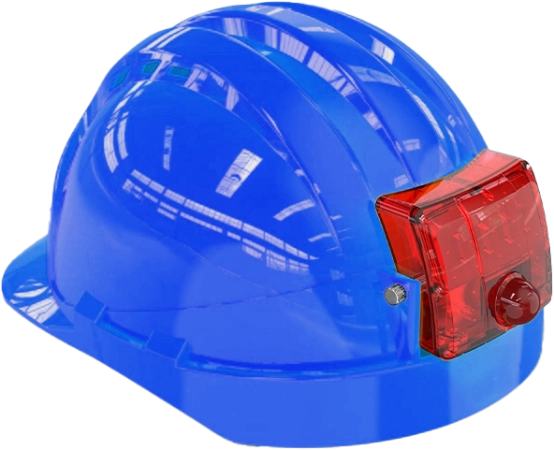
Every helmet in this line is built to be configured around the industry and site it’s deployed in — from the sensors it carries to physical design choices. That same connected layer isn’t limited to headwear either: with BLE, RFID, barcode, and NFC support, it’s built to extend to other equipment your workforce already carries — power tools, wearables, and beyond — so the cloud platform behind it can eventually give you a live picture of your entire inventory, not just your helmets.
Benefits of incorporating the smart helmet into your enterprise
The smart helmet resolved all the workers’ issues and then offered additional benefits, which increased their productivity and safety. Our smart IIoT helmet became a phenomenal success for all the organizations that adopted it in their workforce.
- Check any worker’s location, vital signs, and surrounding conditions from wherever the helmet is in use.
- Receive an SOS signal the moment a worker runs into trouble.
- Simplify resource management and balance work more evenly across stations.
- Confirm no one is idling in one spot or wandering into areas they shouldn’t be.
- Give admins a live inventory list showing exactly who has which tool at any given moment.
- Log attendance and worksheets automatically for every worker, with no manual entry.