Co-Managed IT Services
Backed by AI engineering and IT expertise, our co-managed IT services help mid-market enterprises expand internal IT capacity while adding specialist capabilities. Our collaborative engagement model puts your internal IT team in control as we strengthen helpdesk coverage, infrastructure, compliance, security, and strategic IT initiatives.



Co-Managed IT That Extends Capacity Without Expanding Headcount
Co-managed IT’s hybrid approach supports your internal IT team’s growing workloads with the added strengths and capabilities of a fully-equipped IT department.
01
Defining The Scope Of In-House vs Support IT Team
There’s no room for ambiguity in co-managed IT. Before engagement begins, you define the specific functions your team retains and the responsibilities we assume.
02
Integration With Tools Inside Your Existing Tech Stack
Our IT team works with the same ITSM, RMM, and other platforms that your internal team already employs, maintaining continuity and transparency in IT operations.
03
Establishing Clear Escalation Paths Between Teams
To prevent confusion or overlaps, documented runbooks specify escalation paths that decide whether a ticket type is managed by internal IT or assigned to us.
04
Reporting & Reviews To Measure the Model’s Success
Regular reporting keeps the business leadership informed of performance metrics and highlights emerging issues through monthly reviews and quarterly planning.
05
SLA Commitments & Service Performance Targets
Everything in our scope of responsibilities has a contractual SLA attached, with uptime status, resolution targets and other tangible metrics reported monthly.
06
Scope Adjustments That Evolve With Your Business
As your internal IT functions and operational requirements change, the co-managed scope can be adjusted quarterly to reallocate responsibilities between teams.
Operational Scope
Cover one function or multiple, the scope remains modular around your team’s needs, allowing you to expand coverage without paying for unnecessary services.
Enterprise Experience
Experience across diverse business environments equips our engineers with the operational expertise needed to support and scale complex co-managed engagements.
Non-Competitive Model
Your team’s authority, relationships, and institutional knowledge stay intact because our primary objective is to reinforce, not replace, your internal IT team.
Co-Managed IT Functions We Can Help Your Internal Team Manage
Under the co-managed IT model, we support you with the following six functional areas, each one delivered with defined SLAs and monthly performance reporting.
Helpdesk Overflow & After-Hours Coverage
We act as an extension of your IT team and handle ticket overflow during peak periods, even covering after-hours and weekends. This way, your team isn’t always on call.
Security Monitoring & Threat Response
Your organization gets an additional IT security monitoring layer, covering 24/7 MDR, endpoint detection, and incident response without an in-house security specialist.
Infrastructure Monitoring & Operations
We offer round-the-clock monitoring, patch management, configuration, and other routine solutions so that your infrastructure receives the ongoing attention it demands.
IT Project Delivery & Implementation
When BAU keeps pushing strategic initiatives down the priority list, we co-manage the essential operations to keep deployments, migrations, and upgrades moving forward.
Specialist Expertise & Augmentation
Access specialist support (cloud, compliance, security, networking, and integrations) for projects that demand expertise beyond your internal team’s core IT strengths.
Compliance Management & Readiness
Like many internal IT teams, yours may not have deep experience navigating frameworks like HIPAA, SOC 2, PCI DSS, and NIST. We bridge that gap with compliance expertise.
Award-Winning Excellence In Co-Managed IT Services
Mid-market and enterprise organizations rely on our co-managed IT services to extend internal capabilities while maintaining governance, visibility, and control.
Clutch Global Ranking — IT Services
Business Environments Managed
Countries With Active IT Deployments
Years in Enterprise IT Management
Top IT Managed Service Provider
Top Software Developers USA 2026
Top Google Cloud Company USA
Top Cloud Consulting Company
Top AI Deployment Company
Top Cybersecurity Company Clutch
Organizations That Commonly Adopt Co-Managed IT Services
Co-managed IT is flexible enough to support a wide range of organizations. These business profiles tend to be the most natural fit for this collaborative model.
Internal IT Teams With Lean Resources
- Small team supporting broad IT needs
- Multiple duties for each team member
- Internal ownership remains a priority
- Additional capacity improves flexibility
Mid-Market & Enterprise Businesses
- Larger employee and user populations
- Multiple departments rely on IT services
- Internal teams own specific IT functions
- Strategic work requires sustained effort
Organizations in Regulated Industries
- Compliance activities span the year
- Evidence collection is an ongoing task
- Compliance demands affect IT decisions
- Audit readiness requires constant focus
Business Navigating Growth & Expansion
- Headcount grows faster than IT capacity
- Technology stacks continue expanding
- New locations require IT standardization
- Employee onboarding consumes IT capacity

How Responsibility Stays Clear In Co-Managed IT Partnerships
A successful co-managed IT model complements your existing IT ecosystem instead of replacing it. Your team leads strategy while we strengthen daily IT capacity.
IT Strategy & Operational Planning
- Your team owns all strategic direction
- Operational support backs your direction
- Major technology decisions stay shared
- IT leadership approves major changes
End-User Support & Service Delivery
- Existing IT defines support expectations
- We extend frontline support capacity
- Escalations move through agreed paths
- Your employees interact with one IT team
Security Monitoring & Operations
- Your policies define security standards
- We monitor threats around the clock
- Critical incidents follow response plans
- Security visibility stays uninterrupted
Infrastructure Management & Support
- Critical systems stay under your control
- Our engineers maintain core platforms
- Changes happen through shared planning
- Downtime risks stay proactively managed
IT Projects & Specialist Expertise
- Project priorities are business-driven
- Our specialists fill critical skill gaps
- Complex initiatives get expert support
- Internal resources stay focused on BAU
Compliance Management & Governance
- Your organization sets compliance goals
- We maintain required control evidence
- Audit activities stay well coordinated
- Every responsibility has a clear owner
Give Your IT Team Room to Do Their Best Work
Share operational IT responsibilities with a trusted co-managed partner so your internal team can focus on strategic projects instead of daily support demands.

- Clearly defined operations scope for both IT teams
- 24/7 coverage with <15-minutes P1 response time
- Specialist expertise without lengthy hiring delays
- Quarterly scope adjustments as requirements change
What Makes Us The Right Co-Managed IT Partner For You
While most MSPs offer the standard co-managed IT services, the difference lies in how we support your internal team and respect its authority, not replace it.
Software Engineering Expertise
We leverage our software and AI engineering expertise to offer advanced capabilities (automation, custom tooling) most MSPs can’t.
Transparent IT Partnership Model
Our objective is to strengthen your existing IT team, not replace it. That is how our co-managed IT engagement model is framed.
AI-Augmented Operational Support
AI-assisted triage for routing accuracy and ticket resolution ensures that your team hears from us only during critical incidents.
Dedicated Named Account Engineer
IT leadership connects with the same named account engineer who deeply understands your employee priorities and escalation history.
No Minimum Coverage Requirements
Our co-managed IT scope respects your IT team’s needs. You can start with a few functions and scale it quarterly as needs evolve.
Fast Access To Specialist Expertise
Your organization benefits from immediate access to specialist expertise, cutting down the costs of project delays and new hires.

Our Recent Projects
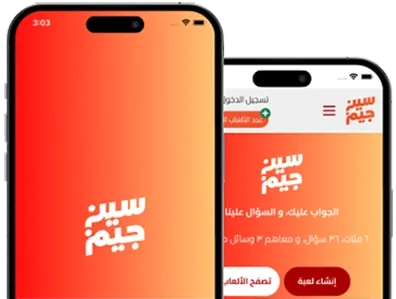
We always believe in serving our clients with best and effective solutions that enables them to get over the startup challenges. Here we’ve showcased a few applications built by our experts based on client requirements.

Compliance Frameworks We Support Across Key Regions and Industries
Compliance requirements differ across industries and regions. From healthcare to finance, our co-managed IT services support the following compliance frameworks:
Organizations operating in the U.S. often work under strict compliance requirements that demand secure, auditable IT operations. Here are the frameworks our team helps support.
- HIPAA
- SOC 2 Type II
- SOC 1 Type II
- HITECH
- PCI DSS
- NIST
- FedRAMP
- NIST SP 800-53
- CCPA / CPRA
- FERPA
- NIST AI RMF
- GLBA
- ISO/IEC 42001 (AI)
- ISO/IEC 27001
- FISMA
- WCAG 2.2
- ITAR / EAR
- ADA / Section 508
European compliance frameworks strongly emphasise data protection, access control, and operational accountability. We help support organizations operating under the following.
- GDPR
- UK GDPR
- EU AI Act
- UK AI Regulation Framework
- NIS2 Directive
- DORA (Digital Operational Resilience Act)
- PSD2 / PSD3
- ePrivacy Directive
- MiCA
- ISO/IEC 42001 (AI)
- ISO/IEC 27001
- PCI DSS
- SOC 2 Type II
- EN 301 549 (Accessibility)
- WCAG 2.2
Organizations across Canada must balance regional regulatory standards with consistent operational governance. Our team supports IT environments guided by the following frameworks.
- PIPEDA
- Quebec Law 25
- Bill C-27 / AIDA (AI & Data Act)
- PHIPA (Ontario)
- PHIA (Manitoba / Nova Scotia)
- HIA (Alberta)
- FINTRAC / PCMLTFA
- SOC 2 Type II
- OSFI B-10 (Third-Party Risk)
- ISO/IEC 27001
- PCI DSS
- ISO/IEC 42001 (AI)
- WCAG 2.2
Compliance requirements vary widely across the APAC region, making consistent IT governance non-negotiable. We help support organizations operating under the following frameworks.
- Australia AI Ethics Framework
- Australia Privacy Act 1988
- Singapore MAS TRM Guidelines
- Singapore PDPA
- Japan APPI
- India DPDP Act 2023
- South Korea PIPA
- China AI Regulation (CAC)
- China PIPL
- New Zealand Privacy Act 2020
- Hong Kong PDPO
- ISO/IEC 27001
- SOC 2 Type II
- ISO/IEC 42001 (AI)
- PCI DSS
As compliance requirements continue to evolve across the Middle East, businesses need well-governed IT operations to meet compliance. Our team supports the following frameworks.
- UAE AI Strategy 2031
- UAE PDPL (Federal Decree-Law No. 45)
- ADGM Data Protection Regulations
- Saudi Arabia PDPL
- SAMA Cybersecurity Framework
- Saudi Arabia National AI Strategy
- DIFC Data Protection Law
- Qatar Financial Centre (QFC) Regulations
- Qatar PDPL
- Bahrain PDPL
- ISO/IEC 42001 (AI)
- ISO/IEC 27001
- PCI DSS
- SOC 2 Type II
What A Strong Co-Managed IT Partnership Delivers For Your Team
Beyond addressing immediate IT demands, co-managed IT gives your organization the stability, flexibility, and execution capacity to support long-term growth.
|
For Your Internal IT Team
|
|---|
|
|

|
For Business Leadership
|
|---|
|
|

Strengthen IT Without New Headcount
Bridge specialist skill gaps instantly with experienced co-managed engineers who integrate into your existing IT team without extending permanent headcount.

- Specialist expertise without permanent hires
- Live coverage within 30 days of engagement
- Quarterly scope changes without renegotiation
How We Prevent the Most Common Co-Managed IT Challenges
From helping organizations implement co-managed IT, we’ve found that most partnership challenges trace back to four recurring issues. Here’s how we prevent them.
| Challenge Area | Why It Can Emerge | How We Prevent It | ||
|---|---|---|---|---|
|
Unified Scope Creates Constant Friction
|
Why It Can Emerge | Since neither team is aware of the functional areas they own, tickets bounce and issues start to fall through the gaps owing to no accountability. | How We Prevent It | Our co-managed IT engagement adheres to a documented SLA that outlines teams and their specific IT functions before any operational work commences. |
|
The MSP Slowly Absorbs More Scope
|
Why It Can Emerge | The extended team slowly assumes more IT functions, often without internal team’s awareness, until their role is reduced to the point of redundancy. | How We Prevent It | Scope changes require written approval from your IT leadership before enforcement. Ownership is documented, transparent, fully auditable throughout. |
|
Tool Conflicts Create Two Versions of the Truth
|
Why It Can Emerge | The service provider uses different monitoring, ticketing, and documentation platforms than the internal team, leading to mismatched data and alerts. | How We Prevent It | Integration with your existing ITSM, RMM, documentation, and communication tools ensures a unified support service that your IT team can cope with. |
|
MSP Undermines Internal Team With Leadership
|
Why It Can Emerge | There is an attempt to position the MSP as a better long-term IT support solution, gradually replacing the internal team in business leadership’s eyes. | How We Prevent It | Leadership hears from the internal IT team, not us. We provide reporting updates to your IT leadership while respecting your chain of communication. |
Choose The Co-Managed IT Engagement That Fits Your Organization
The engagement models represent common ways organizations adopt co-managed IT, with every engagement tailored to existing teams, priorities, and business goals.
Supplemental Team Coverage
For Teams Expanding Internal IT Capacity
- Overflow Helpdesk Ticket Support
- After-Hours Operational Coverage
- Specialist Expertise On Demand
- Expert Technical Support Access
Shared Responsibility
For Teams Sharing Operational Ownership
- Shared Ownership of IT Functions
- Defined Escalation Responsibilities
- Joint Operational Decision Making
- Integrated IT Service Operations
Strategic Partnership
For Teams Building Strategic Alignment
- Dedicated Strategic IT Leadership
- Long-Term Technology Roadmapping
- Continuous IT Service Improvement
- Strategic IT Planning & Governance
The IT Platforms We Support Across Every Engagement
Our co-managed IT model integrates with the platforms your team already uses, enabling both teams to work from the same tools, data, and operational workflows.
ITSM & Ticketing
- ServiceNow
- Jira Service Management
- ConnectWise Manage
- Freshservice
- Zendesk
RMM & Endpoint Management
- NinjaOne
- ConnectWise Automate
- Datto RMM
- Microsoft Intune
- Kaseya VSA
Identity & Access Management
- Microsoft Entra ID
- Okta
- JumpCloud
- CyberArk
- Google Workspace
Security Operations
- Microsoft Sentinel
- CrowdStrike Falcon
- Microsoft Defender XDR
- Splunk Enterprise Security
- Rapid 7 InsightIDR
Cloud Platforms
- Microsoft Azure
- Amazon Web Services (AWS)
- Google Cloud Platform (GCP)
- VMware Cloud
- Nutanix Cloud Platform
Collaboration & Productivity
- Microsoft Teams
- Microsoft 365
- Slack
- Google Workspace
- Zoom
Knowledge Management
- IT Glue
- Hudu
- Confluence
- SharePoint
- Notion
Monitoring & Observability
- Datadog
- Grafana
- PRTG Network Monitor
- LogicMonitor
- SolarWinds Observability
How We Successfully Launch Your Co-managed IT Partnership
A structured onboarding process establishes transparent ownership, integrated workflows, and communication practices that keep both teams aligned from day one.
Discovery & Team Assessment
Understand your team, tools, and priorities before defining any engagement scope.
Scope & Ownership Definition
Document responsibilities, ownership, and scope before operational work begins.
Tool & Platform Integration
Connect with your existing IT tools to establish a shared operational workspace.
Escalation Path Documentation
Define escalation ownership, handoffs, and accountability before work begins.
Communication Rhythm Setup
Schedule regular reviews and communication before the engagement becomes live.
Co-managed Operations Launch
Launch agreed services with documented processes, SLAs, and shared visibility.
30-Day Performance Review
Scrutinize early performance, remove friction, and improve operations together.
Monthly Performance Reviews
Share monthly reports covering SLAs, service trends, and operational insights.
Quarterly Scope Optimization
Review priorities and adjust functional scope as business and IT needs evolve.
Additional IT Services That Complement Co-Managed IT
Co-managed IT is often the foundation of a broader managed IT partnership. Explore the additional services organizations commonly adopt as their needs evolve.
What Our Clients Are Saying
Every engagement is a reflection of how the right engineering partner creates measurable impact. Hear directly from our international clients who have experienced the difference Excellent Webworld’s services make across their business.

Abdulaziz Alotaibi

I chose Excellent Webworld for its quality, fair pricing, and collaboration. They treated my app ‘Move Coins’ like their own, ensuring success.

Thomas Devito

I’ve been working with Excellent Webworld for over 10 years and have received dozens of web productions for small businesses.

Nick Wright

The designers took the challenge to redesign my app and website from scratch and give my brand a newly updated identity.
Frequently Asked Questions
Co-managed IT extends your existing IT team, while fully managed IT replaces most or all day-to-day IT operations.
In a co-managed model, your internal team retains ownership of the functions they know best, and we take responsibility for the agreed areas of support. The engagement is designed around shared ownership, clear accountability, and collaboration, not outsourcing your IT department.
Yes. In fact, many organizations begin with a single capability such as helpdesk overflow, security monitoring, or infrastructure management before expanding the engagement.
Yes. Our co-managed IT model can support distributed teams across multiple offices, remote work environments, or hybrid operations. By integrating with your existing tools, documentation, and communication workflows, we provide consistent support regardless of where your usewrs or IT assets are located.
Every engagement begins with a documented ownership matrix that defines who is responsible for each function. If a request falls outside that scope, it is reviewed with your IT leadership before any responsibility changes. We don’t assume ownership beyond the agreed engagement without documented approval.
Most of the co-managed agreements are delivered remotely through secure access to your existing IT environment. When and where on-site support is required, it can be incorporated into the agreement based on your operational needs, locations, and agreed scope of work.
Knowledge sharing is inherently a part of the co-managed IT model. Documentation, operational updates, reporting, and process changes are maintained within your existing systems to ensure your internal IT team retains visibility and ownership.
The goal is to strengthen your team’s capability over time, not create dependency on an external provider.