What is Agile Methodology in Software Development? It’s a project management framework, which cuts software development projects down into several phases, known as sprints. It shapes how teams plan, build, test, and ship features.
Short sprints. Constant feedback. Rapid improvements. Clear teamwork. That’s the rhythm. So, when you want faster progress and clearer workflows, Agile Methodology is the way to go.
Teams at Atlassian, Spotify, and Netflix use agile methodology in the software development phase to move with speed and purpose. They work in short cycles. They ship often. They improve their product with steady steps.
If you’re planning to implement Agile methodology in your workflows, it’s a good idea. However, without the right structure, you face delays, unclear requirements, and missed goals.
That’s why understanding what agile methodology is in software development matters more than ever. We’ll break it down for you in this blog.
What is Agile Methodology? Definition and Core Principles
Agile is an approach that helps you break large projects into small, manageable tasks. You get fast feedback. You ship improvements without slowing down the roadmap.
If you want small release cycles, teamwork, and fewer project delays, you need agile methodology in software development.
Most teams fail because they try to plan everything upfront. Agile solves this by focusing on frequent delivery and constant learning. You remove waste and keep the team aligned. You respond to product needs with speed.
Startups and enterprises use agile methodology in software to stay adaptable and avoid long development gaps. If you want the same advantage, you need a clear process that supports continuous delivery.
Why Agile Project Management Is The Best For Startups
Startups prefer agile methodology in software development to cut the roadblocks. The data from goodfirms shows a clear pattern. Companies outsource development work to teams that work in short cycles, release fast, and adapt without delay. Application development, cloud services, QA, DevOps, and UI work dominate the global outsourcing chart because these tasks fit perfectly with agile software methodology.
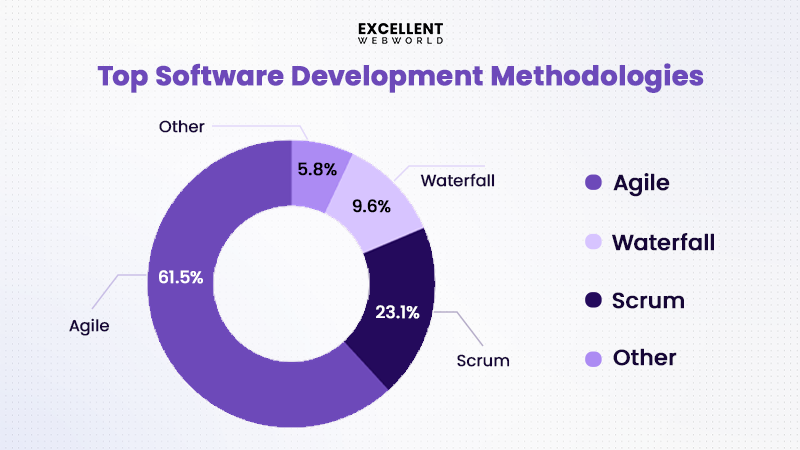
Startups do not have time for long planning cycles. You need fast experiments. You need small releases. You need feedback that guides your next step. Agile methodology in software gives you that rhythm. You break work into small pieces. You ship earlier. You reduce waste. You stay aligned with your users, ensuring you make the right choice when building vs buying software.
The data proves one point. The services growing fastest are the ones that support rapid delivery. This is why agile project management stays the best choice for startups that want speed, clarity, and steady progress.
Agile Methodology in Software Development Life Cycle Explained
The Agile Loop That Helps You Build Faster
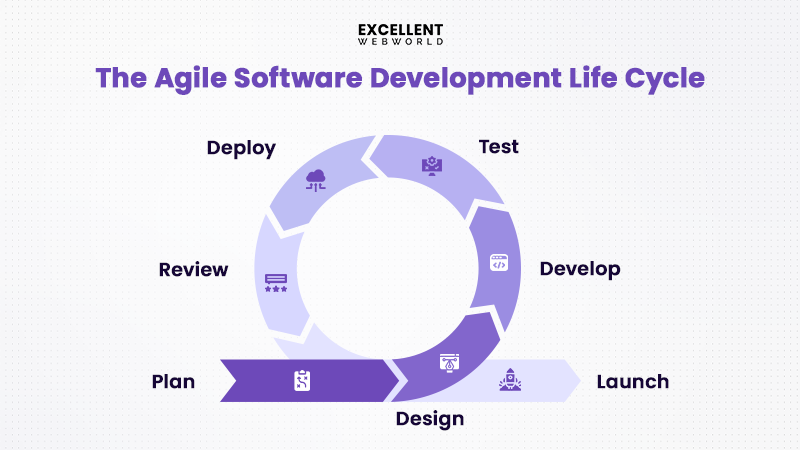
This breakdown shows how the agile methodology in software development moves through small, controlled steps. You stay focused on short cycles. You learn from every round. You follow a software development process that keeps your team fast and flexible.
Many startups pair this with IT project management consulting services to stay organized and reduce delays.
The image highlights the full agile methodology in software development life cycle. You move from planning to release in repeatable loops. You review work early. You fix issues before they spread. You stay close to user needs. This is how agile methodology works in software development when your goal is speed and clarity.
1. Plan With Purpose
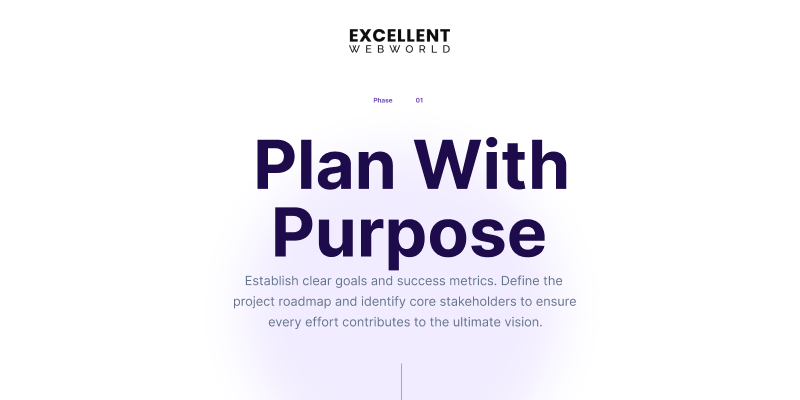
You start by understanding what the next sprint must achieve. You define goals, clarify requirements, and set the direction before any line of code is written. You stay aware of software development trends so your sprint goals align with real market needs.
Checklist:
Pro Tip:
Keep requirements lightweight. Agile thrives when you plan just enough to move fast.
2. Design the Flow
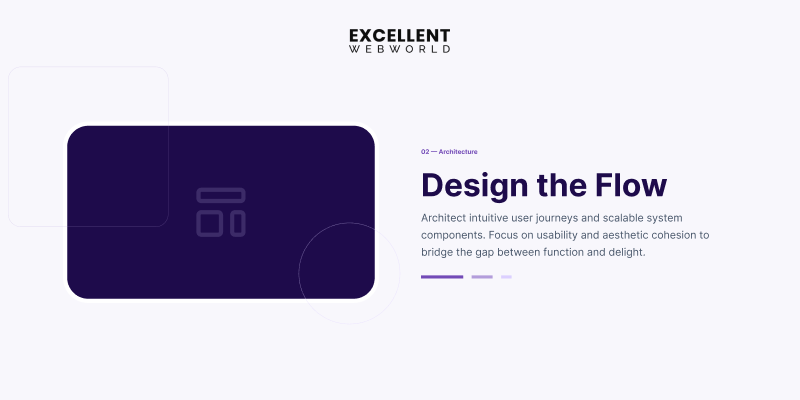
You convert ideas into a practical structure. You map screens, logic, and interactions so developers always know what to build next.
Checklist:
Pro Tip:
Sketch first, perfect later. Speed beats perfection in early cycles.
3. Build in Small Wins
You develop features in small, manageable pieces. You focus on clean, flexible code so changes can be made without chaos.
Checklist:
Pro Tip:
Avoid bulky features. If a task takes more than 2–3 days, break it down again.
4. Test Without Delay
You test each feature immediately after it’s built. You catch bugs early and keep development momentum strong.
Checklist:
Pro Tip:
Shift testing left—find issues before they turn into expensive rework.
5. Deploy in Small Steps
You deliver updates continuously. You release working pieces instead of waiting for a massive final launch.
Checklist:
Pro Tip:
Small releases create fewer surprises and faster customer delight.
6. Review What Matters
You gather feedback and study how users react. You adjust the roadmap based on actual data—not assumptions.

Checklist:
Pro Tip:
Look for patterns, not opinions. Data-driven pivots keep you agile.
7. Launch With Confidence
You release the final build only after the iterative loop produces a strong, stable, user-approved product. And the cycle continues for future upgrades.
Checklist:
Pro Tip:
Launching isn’t the end—it’s the beginning of better versions.
You move step by step. You gather insights fast. You build a stronger product with each loop. This is the strength of agile when you want speed, structure, and focus.
Best Agile Development Practices for Modern Software Teams
Adoption of Agile methodology in software development works only when you use it as a set of actions. Not as a slogan. The agile software methodology pushes you to remove delays, move fast, and focus on real output. Here is how to apply the agile software development methodology phases in practical steps.
An Example of an Agile Project in a Real-World Scenario
You’re launching a mobile app for a small e-commerce business. You want to launch a mobile app quickly. You hire a consultant who guides your team through agile software methodology.
Here is how it works in practice:
Using agile methodology in software, you get a functional app faster. You reduce risks and keep costs under control. The approach ensures your team focuses on what matters most to users. Your product grows step by step, responding to real feedback, not assumptions.
A software development consultant helps you implement this process smoothly. Guiding sprints, setting priorities, and keeping your team aligned. This example shows how agile methodology in the software development life cycle turns planning into action.
Best Tools for Agile Software Development Methodology
Companies that follow agile principles and values require the best software development frameworks and tools to manage the teams working on the project. The selection of tools depends on the type of project and the size of the team. Check out some of the best tools for agile software development:
Project Management and Planning
Communication and Collaboration
CI/CD and Version Control
Testing and Coding
Why Excellent Webworld Is Your Agile Software Development Partner
You need a team that moves fast, adapts to change, and keeps your development on schedule.
Excellent Webworld supports your Agile process with clear structure and steady output working closely with your product owner, project manager, and key Stakeholders to keep priorities aligned.
You get:
You get Agile support that fits your business requirements and drives measurable progress. Schedule a free consultation to align your development with a team focused on speed and efficiency.
FAQs About Agile Software Development
Agile runs on four simple ideas:
Scrum uses sprints and defined roles. Kanban uses a board to show work in progress. XP improves quality with strong engineering practices. Lean removes waste and improves flow.
Teams skip planning. They set unclear goals. They ignore feedback from users. They hold long meetings. They fail to review finished work.
Yes. Clear communication, simple tools, and short daily updates keep remote teams aligned. You maintain steady progress with structured check ins.
Yes. You build in small steps & avoid waste. You fix issues early and spend time only on features that users need.

Article By


Paresh Sagar is the CEO of Excellent Webworld. He firmly believes in using technology to solve challenges. His dedication and attention to detail make him an expert in helping startups in different industries digitalize their businesses globally.